High-transfer efficient powder coatings deliver cost, time and energy savings. #racking
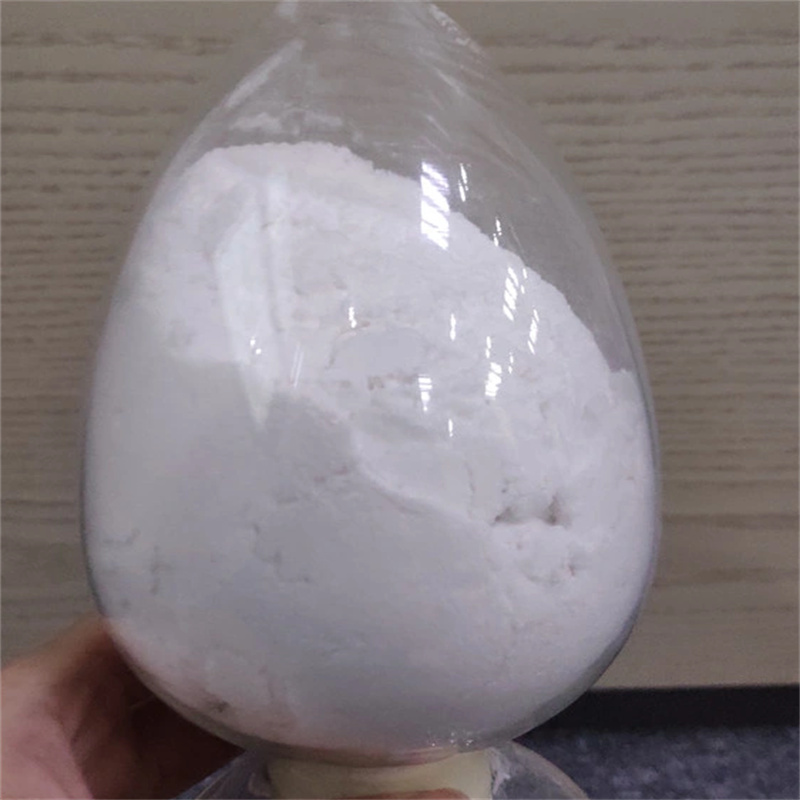
Powder coating generates less waste than many coating processes and overspray can be reclaimed and recycled. Today, high transfer efficient advancements are taking the benefits of powder coating to the next level. Photo Credit: Getty Images Finasteride Powder

One of the most notable appeals of powder coating is that it generates less waste due to a high material utilization rate.
First, unlike liquid paint which is always a spray-to-waste process, powder overspray can be reclaimed and recycled, depending on the capabilities of the coater, the number of colors utilized, the absence of contaminants and financial considerations related to the quality of the powder.
Second, because powder coating is an electrostatic process that applies charged particles to a grounded part, more paint ends up on the substrate, even on hard-to-reach areas.
Third, powder coatings often deliver better protection in a single coat in terms of coverage, corrosion resistance and weathering than two-coat liquid systems, which reduces the overall amount of product needed.
Finally, since powder has a long and stable shelf life, it retains its quality with proper storage even after long periods of time so product loss is minimized.
In fact, according to the Powder Coating Institute (PCI, Lakewood Ranch, Fla.), with proper application equipment, powder materials and efficient recovery methods, one-coat application, powder can achieve a 95-98% utilization efficiency rate; this is compared to the average of 60% material utilization with a comparable liquid system.
Generally, powder has advantages that are hard to overlook but newer high-transfer efficient advancements take these benefits to the next level.
Because it is an electrostatic process that applies electrically charged paint particles to a grounded part, powder has excellent adherence to metal substrates.
But newer generations of high transfer efficient (HTE) powder coatings take that coverage to the next level by improving first-pass application build rates, the percentage of powder that gets deposited on the part.
These specialized coatings are engineered to deposit powder consistently and uniformly across complex parts and are formulated to electrostatically wrap and penetrate into deep recesses or hard-to-reach surfaces, achieving first- pass efficiency rates of up to 85%.
As a direct-to-metal process that eliminates the need to finish edges with mechanical edge rounding or blasting equipment, these advanced powder formulas can deliver significant savings in materials, labor, utilities and time.
Coaters that transition from standard powders to specialized high-transfer formulations make significant first-pass application gains through the chemistry of the coatings itself, helping to overcome variables like application technique, equipment and operator skill. This gives manufacturers greater control over the cost and quality of their production process.
In fact, compared to standard powder coatings, these HTE systems can reduce powder consumption by 20-25% because less powder is needed to coat the part and less powder is disposed of, an important sustainability benefit.
For example, PPG has a portfolio of powder coatings that are specifically engineered to deliver high first-pass transfer for architectural building products and general industrial applications like shelving and racks, office furniture and heavy-duty equipment.
PPG Envirocron high-transfer efficiency (HTE) powder is specifically designed to provide improved adhesion and durability on tricky parts and equipment such as wheels, wire racking, metal shelving and products with complex shapes. Boasting first-pass transfer rates of 85% or greater, PPG Envirocron HTE powder can reduce per-item powder consumption up to 25%, lowering material costs.
For architectural extrusions and sheet aluminum, PPG’s Coraflon Platinum fluoroethylene vinyl ether (FEVE) fluoropolymer powder coatings offer high transfer efficiency rates of more than 20% and better single-coat corrosion resistance compared to standard FEVE powders. Meeting FGIA/AAMA 2605 specifications, the highest standards for weathering and corrosion resistance in the industry, PPG Coraflon Platinum delivers a fast film build and produces very little waste, even in difficult-to-reach cavities.
PPG makes two additional HTE coatings for the architecturalindustry, Envirocron HTE (03) and Envirocron HTE (04) that meet FGIA/AAMA 2603 and 2604 specifications, respectively. Both powder coatings deliver transfer efficiency ratings of up to 85% and provide energy savings with a 10-minute cure at 350°F (177°C).
After PPG Coraflon Platinum powder was launched in the spring of 2021, a leading building products manufacturer conducted trials to evaluate the formulation on their line and the finish.
The company applied Coraflon Platinum powder to a difficult-to-coat, geometric-shaped part using the same automatic powder coating line, line speed, air pressures and voltages as their usual standard powder process.
What they found was that the high transfer powder deeply penetrated into the recessed areas without heavy edge build-up. Even after lowering the powder pressure by 20%, a much better first-pass transfer efficiency was achieved without sacrificing required film thickness.
By transitioning to a high-transfer formulation, much less powder is going through the reclaim system and overall powder consumption has dropped by 20%.
Read: Powder Coating Week 2023 Moves Industry Education Forward
High transfer efficient (HTE) powder formulations offer numerous advantages:
Of course, there are several ways to improve first-pass application build rates, including regular equipment maintenance and refining application technique. But leveraging HTE solutions specifically formulated for excellent edge-to-edge coverage goes a long way in increasing throughput, reducing material usage and costs and limiting waste.
Maria Lamorey is the commercial strategy manager for PPG’s Industrial Coatings division. Visit ppg.com.
Omnirobotic is delivering an automation solution that could transform the way finishing shops consider robotics.
What is the process of racking a machined part to be anodized with no visible rack marks?
System fits with 'keep it simple' powder coating philosophy
Granular Powder Copyright © 2022 Privacy Policy [Log On]